Wall and Doorframe Support for Safer Alignment and Confident Inversions

Stable Edges, Clear Lines
{{SECTION_SUBTITLE}}
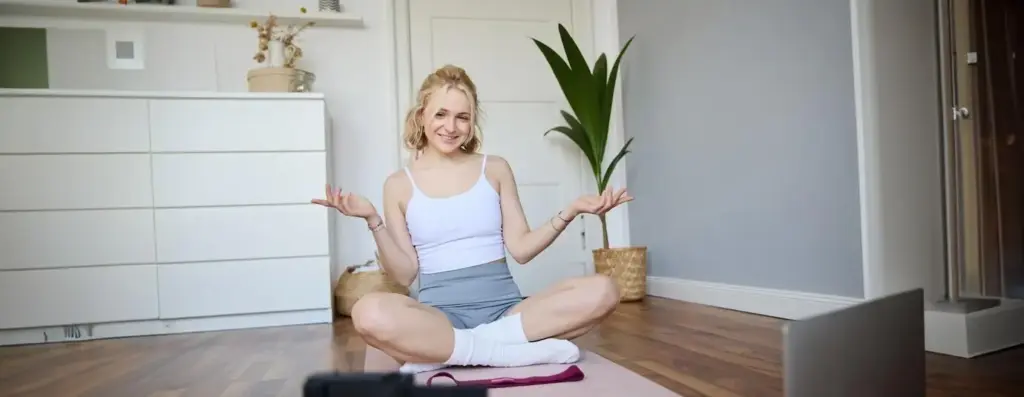
Contact Points That Tell the Truth

Breath as Your Level


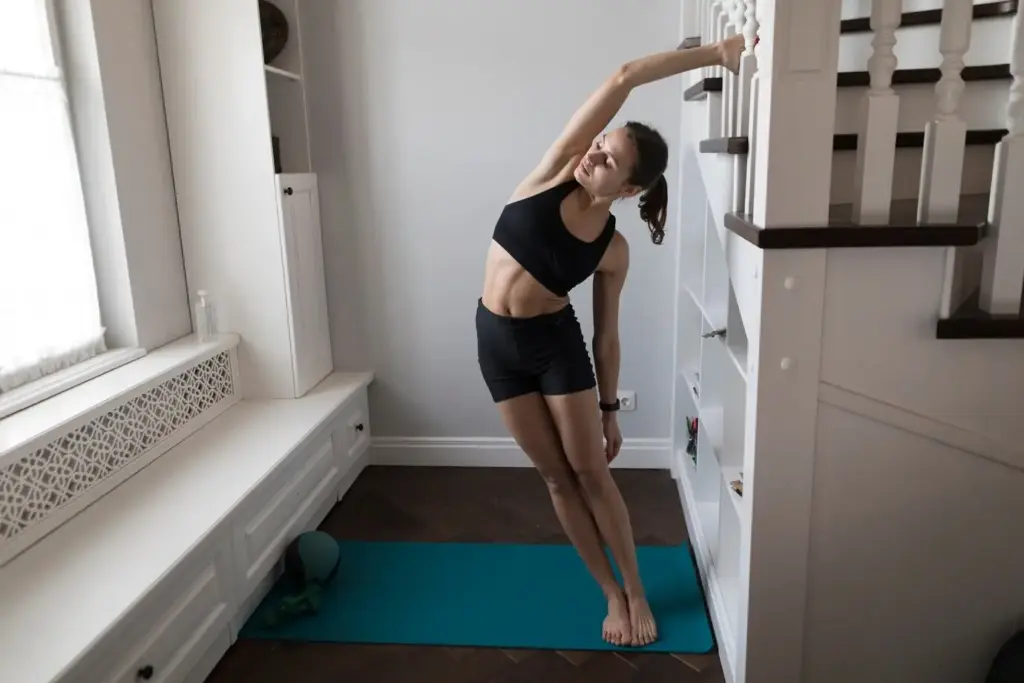
Vertical Allies for Standing Work
Framed Traction and Space
Upside-Down with Assurance

Blocks as Mini-Walls
Squeeze a block lightly between inner thighs during L-shape preps to awaken adductors and stabilize the pelvis. Place another under hands to reduce wrist extension while maintaining active fingers. Slide a block along your back to monitor rib placement in standing work. Portable feedback like this transitions seamlessly away from external boundaries, so alignment remembers itself wherever you are, whether at home, in a studio, or practicing during travel in unfamiliar rooms.
Straps to Organize Effort
Loop a strap around upper arms just above elbows to prevent elbows from splaying in forearm balances. Keep gentle outward pressure so the strap does not collapse the chest. Another strap at the mid-thighs can cue glute engagement without over-gripping. These tactile reminders distribute work across the kinetic chain, preventing shoulders from doing everything alone. The result feels surprisingly lighter, even though you are simply coordinating muscles that already wanted to help.
Blankets and Sliders
A folded blanket under knees teaches pressure management in tabletop drills, while sliders under feet build controlled core strength during pike walk-ins. Both introduce manageable friction changes that reveal where you rush or hold your breath. Combine a blanket with the baseboard to discover precise shin angles in lunges. These small adjustments transform comfort into learning, giving your nervous system the calm needed to encode durable patterns rather than adrenaline-fueled guesswork.
Calm Courage, Clear Focus
Regulate Before You Elevate
Sit with your back to a stable surface, feel the support, and count four in, six out for ten cycles. Soften your tongue and unclench your jaw. Visualize the setup, the first contact, and the planned exit. This short ritual lowers arousal enough to learn. Students who commit to it report fewer stalls and kinder self-talk, turning effort into exploration instead of a pass‑fail test that erodes motivation and joy.
Common Pitfalls and Fixes
Rushing the entry, shrugging shoulders, and holding breath top the list. Correct by pausing one step earlier than you think necessary, pressing hands evenly, and exhaling deliberately as you shift weight. If ribs flare, back off and lengthen through the back body. If wrists complain, elevate palms or shorten the angle. A small, precise adjustment early prevents a loud correction later, saving joints and preserving the willingness to try again tomorrow.
End-of-Session Reset
Finish with a supported child’s pose, palms on a raised surface to lengthen side ribs without collapsing the lower back. Rest calves and heels against a boundary to quiet restless legs. Place one hand on the belly, one on the heart, and track ten soft breaths. This closing sequence seals the lesson, downshifts the nervous system, and helps you leave the mat refreshed, clear, and eager to return for the next gentle step.


All Rights Reserved.