Ease Tension Right Where You Work

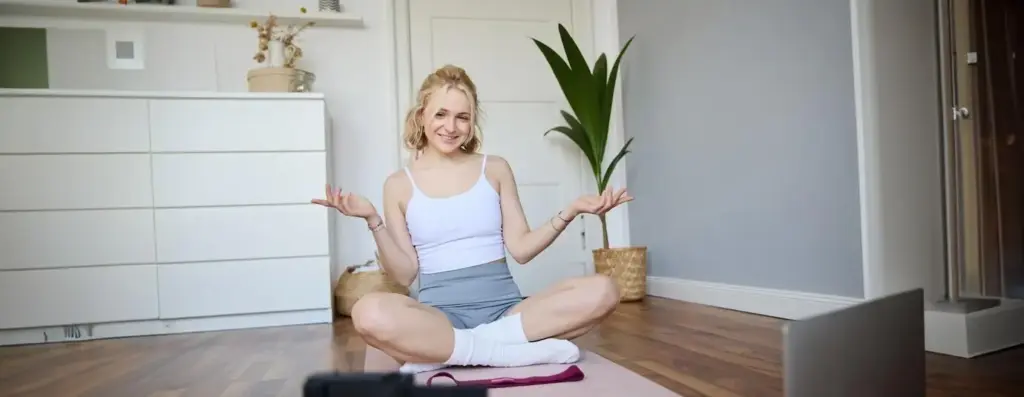
Today we dive into home office yoga using your desk and chair to relieve tension. With simple, science-backed micro-movements, you will transform ordinary furniture into supportive props, calm your nervous system, and finish your day clear, relaxed, and energized, even when deadlines stack and calendars overflow with calls.

Chair as a Supportive Prop

Choose a chair that feels steady when you lean, with a firm seat, stable back, and ideally lockable wheels. Sit toward the front edge to free the hips, plant both feet, and engage your core lightly. These adjustments transform your chair into a reliable anchor for neck releases, twists, and hip openers without leaving your task flow.

Desk Edge and Surface Safety

Clear mugs, sharp objects, and cables from the area where your forearms or hands will rest. Test the desk edge with gentle pressure before leaning, ensuring it doesn’t wobble or pinch. Use a folded towel for cushion if surfaces feel hard. This simple preparation creates a confident foundation for planks, folds, and soothing wrist resets during short breaks.

Microbreak Rituals That Actually Happen

Tie movement to daily triggers you never miss: opening your laptop, finishing a call, or waiting for a file to load. Keep a sticky note cue near your camera. Two minutes of intentional movement every hour beats one long session ignored. Habit stacking keeps momentum alive and prevents soreness from building throughout demanding, screen-heavy days.

Release Neck and Shoulders While Seated

Hours of typing and video calls pull shoulders forward, tighten the chest, and clamp the jaw. Gentle, well-sequenced movements reverse that spiral without disrupting productivity. Use breath to soften gripping patterns, pause between repetitions to feel changes, and finish with a brief stillness. Relief emerges quickly when attention, alignment, and slow exhales guide every motion carefully.

Ear-to-Shoulder with Chair Hold

Sit tall near the front edge, right hand lightly holding the chair seat. Drop the right shoulder, then tip left ear toward left shoulder, keeping chin level. Breathe into the right side of your neck for five slow cycles. Switch sides, then add micro-turns of the chin to explore new lines of release without forcing range or chasing intensity recklessly.

Desk-Assisted Thread the Needle

Place both forearms on the desk and hinge slightly forward. Slide your right arm across the surface, palm up, as the chest turns gently left. Keep hips grounded and shoulders away from ears. Breathe into the back of your right shoulder blade. Return slowly and switch sides. Let your exhales lengthen, melting sticky fascial tension with patient attention.

Lower Back and Hips Reset Without Leaving the Chair

Sitting shortens hip flexors and asks the lower back to carry too much load. Instead of bracing through discomfort, use rhythmical, supported motions to hydrate tissues, coax mobility, and reawaken your core. These chair-based sequences deliver surprising relief quickly, helping you re-engage with deep work feeling grounded, taller, and more available to focused attention again.

Wrists, Eyes, and Jaw: The Overlooked Trio
Wrist Unwind Using Desk Surface

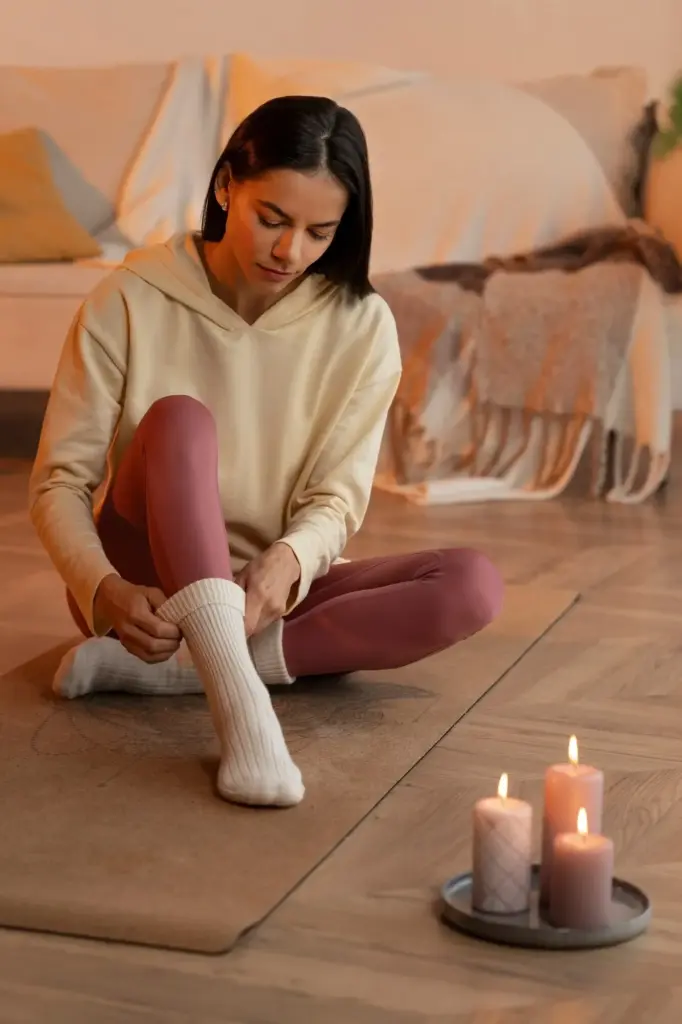
Place palms on the desk, fingers pointing toward you, elbows soft. Lean back slightly until a gentle stretch meets the forearms. Breathe deep for twenty seconds. Flip hands over for the extensor line, then circle wrists slowly. This routine counters repetitive strain, encourages circulation, and keeps your typing pain-free across long sessions and tight deadline sprints effortlessly.

20-20-20 Eye Soother with Conscious Blinks

Every twenty minutes, look twenty feet away for twenty seconds, letting peripheral vision expand. Add soft, deliberate blinks to hydrate the eyes and relax facial holding. Bonus: trace a gentle infinity symbol with your gaze. This interrupts screen glare fatigue, reduces brow tension, and supports sustained concentration without the creeping fog that derails late-afternoon problem-solving effectiveness.

Jaw and Tongue Relaxation Reset

Unclench teeth and rest the tongue’s tip behind top front teeth. Inhale through the nose; on the exhale, sigh out softly. Massage the temples and the hinge just in front of each ear. Notice shoulders melting down. A released jaw often unlocks neck freedom, improves breathing depth, and subtly calms stress responses triggered by constant alerts and context switching.

Stand-Up Breaks When You Can Rise

Build a Sustainable Routine and Track Progress

Long-term ease grows from tiny, repeatable actions. Anchor movement to existing habits, keep a simple log, and celebrate any session you complete, even sixty seconds. Respect your bandwidth, choose favorite sequences, and adjust when workloads spike. The goal is steadiness, not intensity, so your body feels supported and your mind stays clear across demanding projects consistently.

Habit Anchors Around Meetings

Pick automatic triggers: join call, stretch neck; end call, twist and breathe; send deliverable, stand and fold. These anchors reduce decision fatigue and keep consistency alive. Start with one anchor, master it, then add another. Over time, your calendar becomes a supportive rhythm that subtly protects posture, energy, and mood through the busiest weeks and quarters.

Breath Cues and Gentle Timers

Set a soft chime every fifty minutes or pair breath with mouse movement: inhale when reaching, exhale when clicking. Use phone focus modes so reminders feel kind, not scolding. Breathing prompts guide pacing, slow reactivity, and protect form. With compassion and tiny cues, your body learns safety in motion, inviting lasting comfort during complex cognitive tasks daily.
Vazixakarazotu
Privacy Overview

This website uses cookies so that we can provide you with the best user experience possible. Cookie information is stored in your browser and performs functions such as recognising you when you return to our website and helping our team to understand which sections of the website you find most interesting and useful.