Ease Tension Right Where You Work

Chair as a Supportive Prop
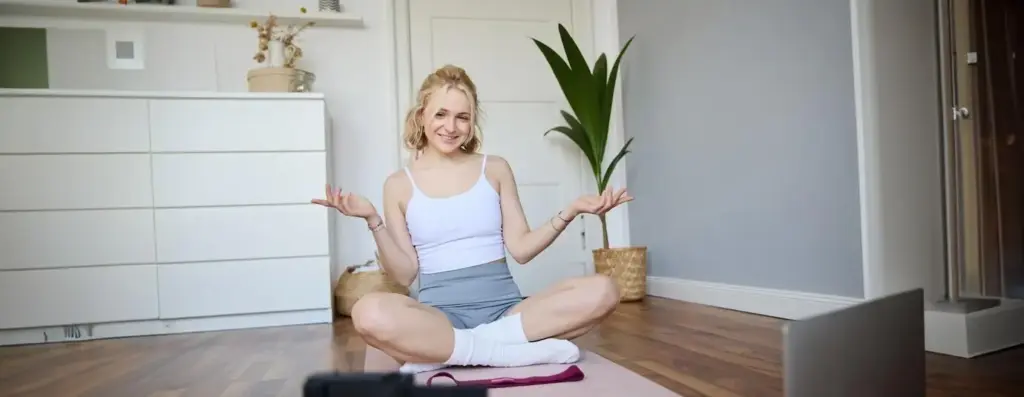
Choose a chair that feels steady when you lean, with a firm seat, stable back, and ideally lockable wheels. Sit toward the front edge to free the hips, plant both feet, and engage your core lightly. These adjustments transform your chair into a reliable anchor for neck releases, twists, and hip openers without leaving your task flow.
Desk Edge and Surface Safety
Clear mugs, sharp objects, and cables from the area where your forearms or hands will rest. Test the desk edge with gentle pressure before leaning, ensuring it doesn’t wobble or pinch. Use a folded towel for cushion if surfaces feel hard. This simple preparation creates a confident foundation for planks, folds, and soothing wrist resets during short breaks.
Microbreak Rituals That Actually Happen
Tie movement to daily triggers you never miss: opening your laptop, finishing a call, or waiting for a file to load. Keep a sticky note cue near your camera. Two minutes of intentional movement every hour beats one long session ignored. Habit stacking keeps momentum alive and prevents soreness from building throughout demanding, screen-heavy days.
Release Neck and Shoulders While Seated
Ear-to-Shoulder with Chair Hold
Sit tall near the front edge, right hand lightly holding the chair seat. Drop the right shoulder, then tip left ear toward left shoulder, keeping chin level. Breathe into the right side of your neck for five slow cycles. Switch sides, then add micro-turns of the chin to explore new lines of release without forcing range or chasing intensity recklessly.
Desk-Assisted Thread the Needle
Place both forearms on the desk and hinge slightly forward. Slide your right arm across the surface, palm up, as the chest turns gently left. Keep hips grounded and shoulders away from ears. Breathe into the back of your right shoulder blade. Return slowly and switch sides. Let your exhales lengthen, melting sticky fascial tension with patient attention.
Lower Back and Hips Reset Without Leaving the Chair
Wrists, Eyes, and Jaw: The Overlooked Trio
Wrist Unwind Using Desk Surface

20-20-20 Eye Soother with Conscious Blinks

Jaw and Tongue Relaxation Reset


Build a Sustainable Routine and Track Progress

Habit Anchors Around Meetings
Breath Cues and Gentle Timers

All Rights Reserved.